This post breaks down the key differences between healthcare cleaning and standard office cleaning, showing why the two require distinct standards, tools, and expertise. Healthcare facilities demand infection control, regulatory compliance, and strict disinfection protocols to protect patients, while offices prioritize hygiene, organization, and presentation.

In today’s evolving work and healthcare environments, cleaning is no longer just about keeping spaces visually tidy — it’s about safeguarding health, ensuring compliance, and creating professional impressions. For businesses in Toronto, North York, Scarborough, and Etobicoke, understanding the distinction between healthcare cleaning and standard office cleaning is essential.
While both environments require cleanliness and organization, the standards, techniques, and regulations that govern healthcare cleaning are far more stringent. Healthcare facilities — from clinics and dental offices to hospitals — deal with biological hazards, cross-contamination risks, and strict disinfection protocols that far exceed those of traditional office environments. For this reason, many medical facilities rely on specialized services such as Medical Facilities Cleaning to stay compliant and safe.
At Daily Cleaning Services, we understand that different spaces demand different approaches. Our experienced professionals are trained to handle both healthcare and corporate environments, adhering to the highest standards of hygiene, safety, and discretion.
This guide will explore why these differences matter, how specialized cleaning impacts health and productivity, and why partnering with a professional service provider ensures your space remains compliant, clean, and safe.
The Importance of Healthcare Cleaning vs. Standard Office Cleaning in Today’s Business Environment
1. Different Environments, Different Expectations
Healthcare facilities serve patients and handle medical waste — meaning cleaning isn’t just for appearance but for infection control. The cleaning team must maintain an environment where harmful microorganisms cannot thrive.
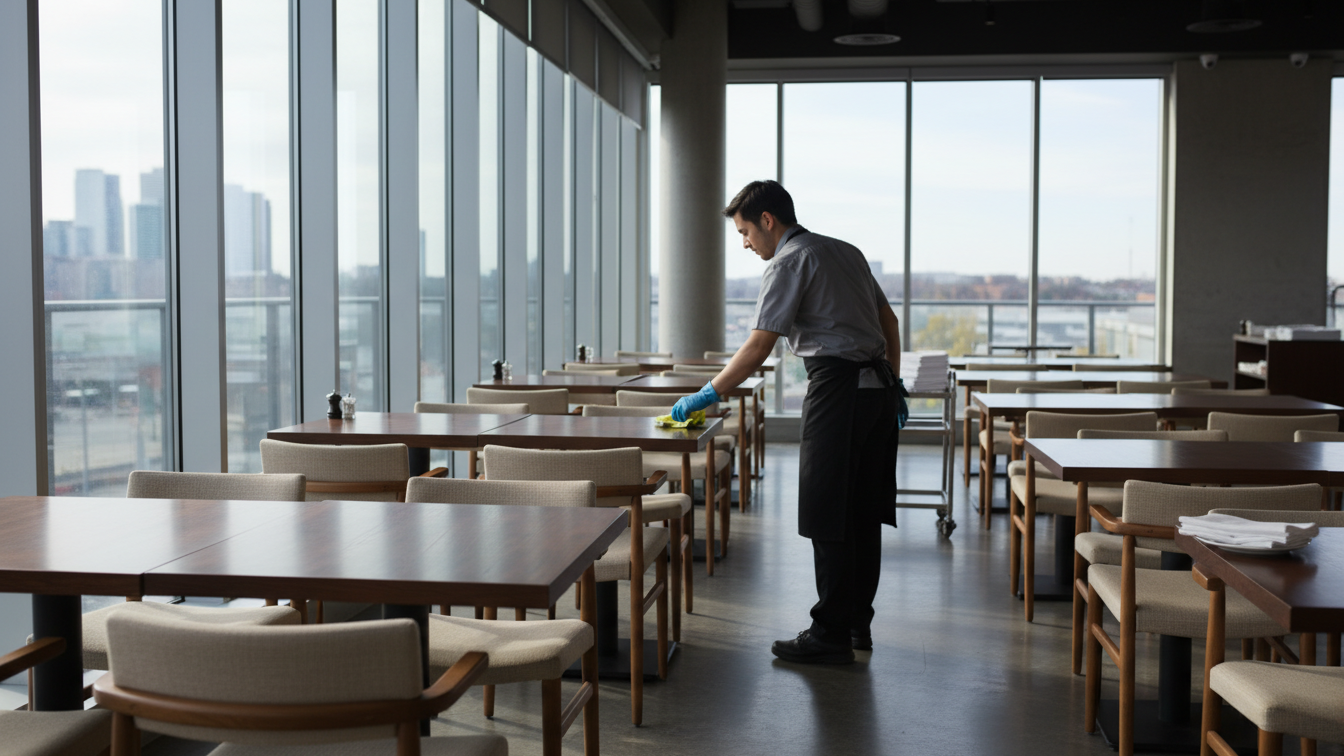
Standard offices, on the other hand, focus on creating a tidy, comfortable, and productive workspace. If you run a corporate environment, partnering with a provider skilled in Office Cleaning can help maintain organization and reduce dust and allergens.
2. Compliance and Regulatory Requirements
Healthcare environments are governed by strict standards such as:
- Health Canada and Public Health Ontario guidelines
- IPAC standards
- OHSA regulations
Non-compliance can lead to fines or even shutdowns. Cleaning professionals must understand these requirements and use approved disinfectants.
While offices are not medical spaces, maintaining cleanliness is still important. Insights such as those found in How to Maintain a Clean Workplace help businesses build better hygiene routines.
3. Infection Control vs. Surface Cleanliness
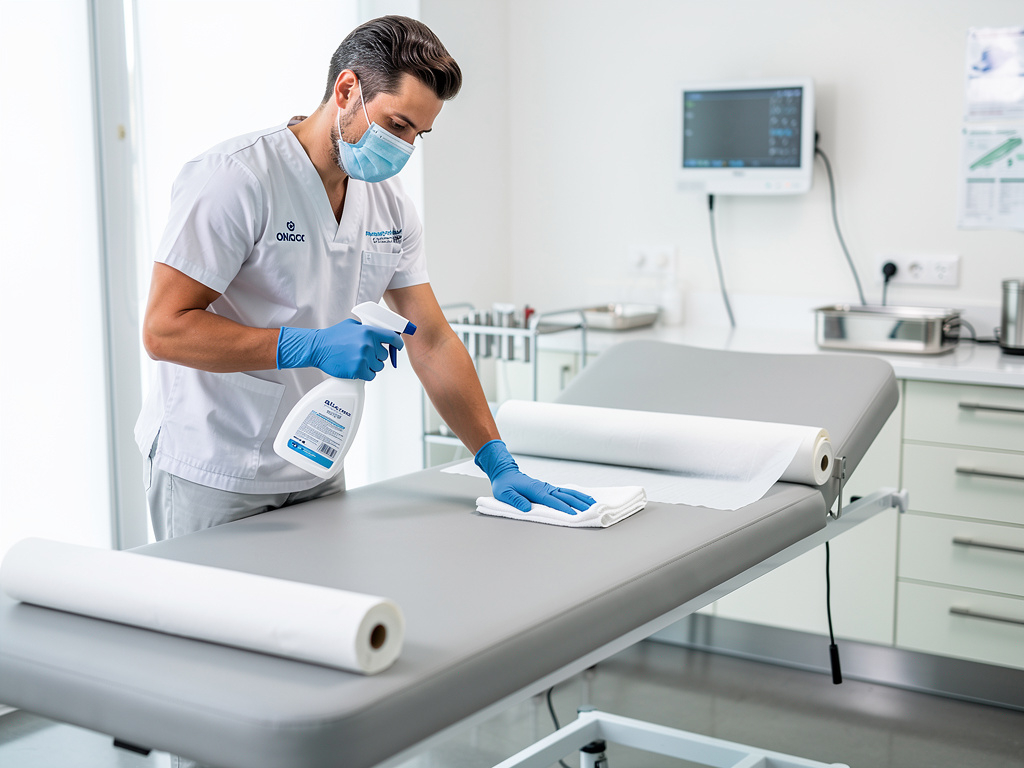
In healthcare settings, the focus is pathogen elimination. High-touch surfaces must be disinfected using medical-grade solutions.
Standard office cleaning emphasizes hygiene and appearance instead — vacuuming, wiping shared desks, and keeping washrooms clean.
4. Impact on Public Trust and Safety
A spotless healthcare facility reassures patients that the clinic prioritizes health and safety.
In offices, cleanliness also builds trust. Clients, employees, and visitors see a clean workspace as a sign of professionalism and operational excellence.
5. The Role of Professional Expertise
Both environments require different skill sets. Healthcare cleaning demands in-depth knowledge, PPE usage, and strict cleaning sequences. Daily Cleaning Services provides ongoing training to keep staff compliant and effective in both fields.
Key Benefits of Choosing Daily Cleaning Services for Healthcare and Office Cleaning
1. Expertise Across Diverse Environments
We have trained professionals capable of handling both medical and corporate environments — from dental clinics to coworking spaces.
2. Medical-Grade Disinfection Standards
We use EPA-approved and Health Canada-certified disinfectants proven to eliminate pathogens like MRSA and C. difficile.
3. Safety and Compliance
We enforce strict PPE usage, correct waste handling, and proper reporting. For offices, we use low-VOC products to protect air quality.
4. Eco-Friendly Practices
Our green cleaning approach aligns with Toronto’s sustainability goals while protecting health.
5. Customized Cleaning Programs
Schedule designs are tailored based on risk levels and facility types. Offices may need daily cleaning and periodic deep cleaning — more on this in How Often Do You Need to Deep Clean Your Office?.
6. Highly Trained and Insured Staff
All staff receive training in WHMIS, IPAC, disinfection techniques, and confidentiality.
Understanding the Process: What to Expect from a Professional Cleaning Service
Step 1: Site Evaluation and Risk Assessment
We audit high-risk zones, patient care areas, isolation rooms, and high-touch office locations.
Step 2: Zone-Specific Cleaning Protocols
Healthcare zones include critical, semi-critical, and non-critical areas. Office zones are categorized by traffic intensity.
Step 3: Cross-Contamination Prevention
We use color-coded tools to prevent cross-use, a system that enhances hygiene in both medical and office settings.
Step 4: Use of Specialized Equipment
Healthcare facilities may require electrostatic sprayers; offices rely more on HEPA vacuums and low-noise scrubbers.
Step 5: Regular Inspections and Reporting
Healthcare spaces include compliance logs, while office spaces benefit from hygiene reports and improvement insights.
Healthcare vs. Office Cleaning: Best Practices and Insights for Toronto Businesses
1. Understand the Sensitivity of Healthcare Cleaning
Healthcare cleaning must be meticulous and performed by certified providers.
2. Prioritize Communication and Coordination
We schedule cleanings between appointments or after work hours for minimal disruption.
3. Implement Routine Disinfection
Both sectors benefit from regular disinfection — especially high-touch surfaces.
4. Focus on Indoor Air Quality
Using HEPA vacuums and low-VOC cleaning products improves air quality for both patients and staff.
5. Invest in Professional Training
Proper cleaning, sanitizing, and disinfecting require trained professionals.
6. Audit and Update Cleaning Programs
Routine reviews ensure quality, compliance, and efficiency.
Conclusion
Healthcare and office cleaning share the goal of maintaining clean, safe, and welcoming environments. However, the execution, risks, and regulations differ significantly. Healthcare cleaning prioritizes infection control and compliance, while office cleaning focuses on aesthetics, productivity, and workplace wellbeing.
Partnering with Daily Cleaning Services gives you specialized support tailored to your space — whether you run a medical clinic or a corporate office.
Ready to Elevate Your Workplace Hygiene?
Contact Daily Cleaning Services today to schedule a consultation and discover how our specialized programs keep your facility spotless and compliant year-round.