This article explains why disinfectant selection and proper contact times are essential for infection control in healthcare environments such as clinics, dental offices, and physiotherapy spaces. It highlights how using the wrong disinfectant—or wiping too soon—can leave pathogens behind, increasing risks of infection and non-compliance.
In healthcare settings—including clinics, outpatient centers, dental offices, physiotherapy spaces, and medical practices—maintaining the highest levels of cleanliness is essential for preventing the spread of infections. One of the most important factors in ensuring an effective cleaning program is understanding disinfectant selection and contact times in healthcare environments. Unlike general commercial cleaning, healthcare disinfecting requires approved agents that eliminate pathogens quickly and safely while meeting local regulatory standards.
In areas like Toronto, North York, Scarborough, and Etobicoke, healthcare facilities experience high patient turnover and a wide range of medical activities. This makes it essential for clinic managers to choose disinfectants that are effective against bacteria, viruses, and fungi while ensuring they are used correctly—especially with strict attention to required contact times. Applying disinfectants without allowing proper dwell time is one of the most common cleaning mistakes in medical spaces and can leave dangerous pathogens behind.
Partnering with a trusted professional cleaning company like Daily Cleaning Services allows healthcare environments to follow industry best practices for disinfectant use. As a leading provider of commercial cleaning (https://www.dailycleaningservices.ca/commercial-cleaning) and medical facilities cleaning (https://www.dailycleaningservices.ca/medical-facilities-cleaning) across the GTA, we understand the science, products, and processes that ensure high-level infection control. This blog explores the importance of selecting the right disinfectants, why contact times matter, how professionals manage the process, and essential best practices healthcare facilities should follow.
The Importance of Disinfectant Selection and Contact Times in Healthcare Environments in Today’s Business Environment
Healthcare facilities cannot rely on ordinary cleaning products. They must choose disinfectants designed to kill pathogens commonly found in medical settings—such as MRSA, C. difficile, norovirus, influenza, and other infectious microorganisms. Selecting the wrong disinfectant—or using the right one incorrectly—can lead to ineffective cleaning, increased health risks, and failed inspections.
Protecting Patients and Staff
Patients visiting healthcare environments often have compromised immune systems or underlying health conditions. They are more susceptible to healthcare-associated infections (HAIs). Using the appropriate disinfectants helps prevent the spread of infections through contaminated surfaces, medical equipment, chairs, and high-touch points.
Healthcare workers also face constant exposure risks. Effective disinfecting protects physicians, nurses, admin staff, therapists, and cleaners from harmful pathogens present on surfaces and equipment.
Why Contact Time Matters
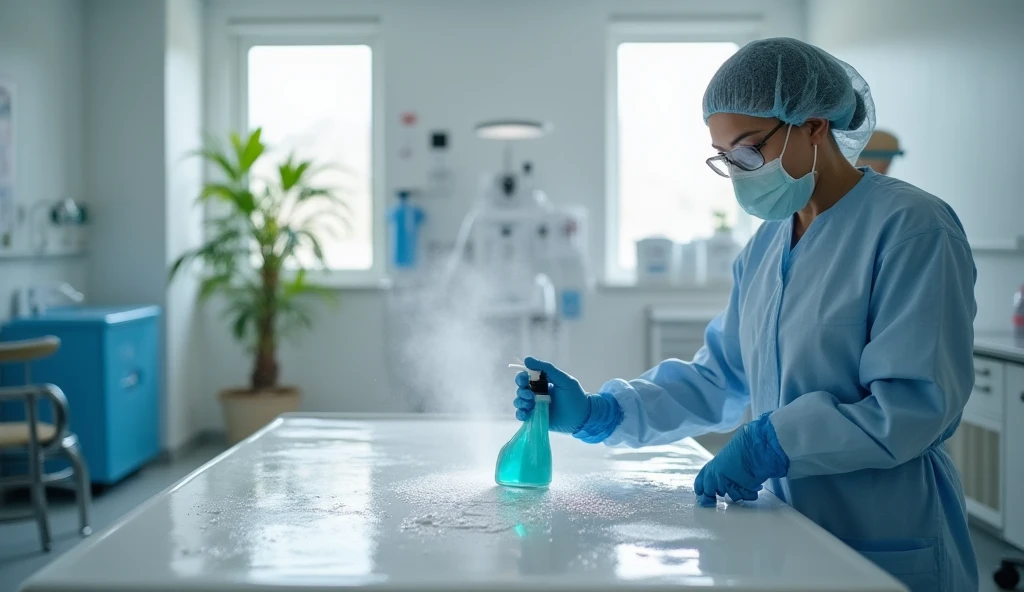
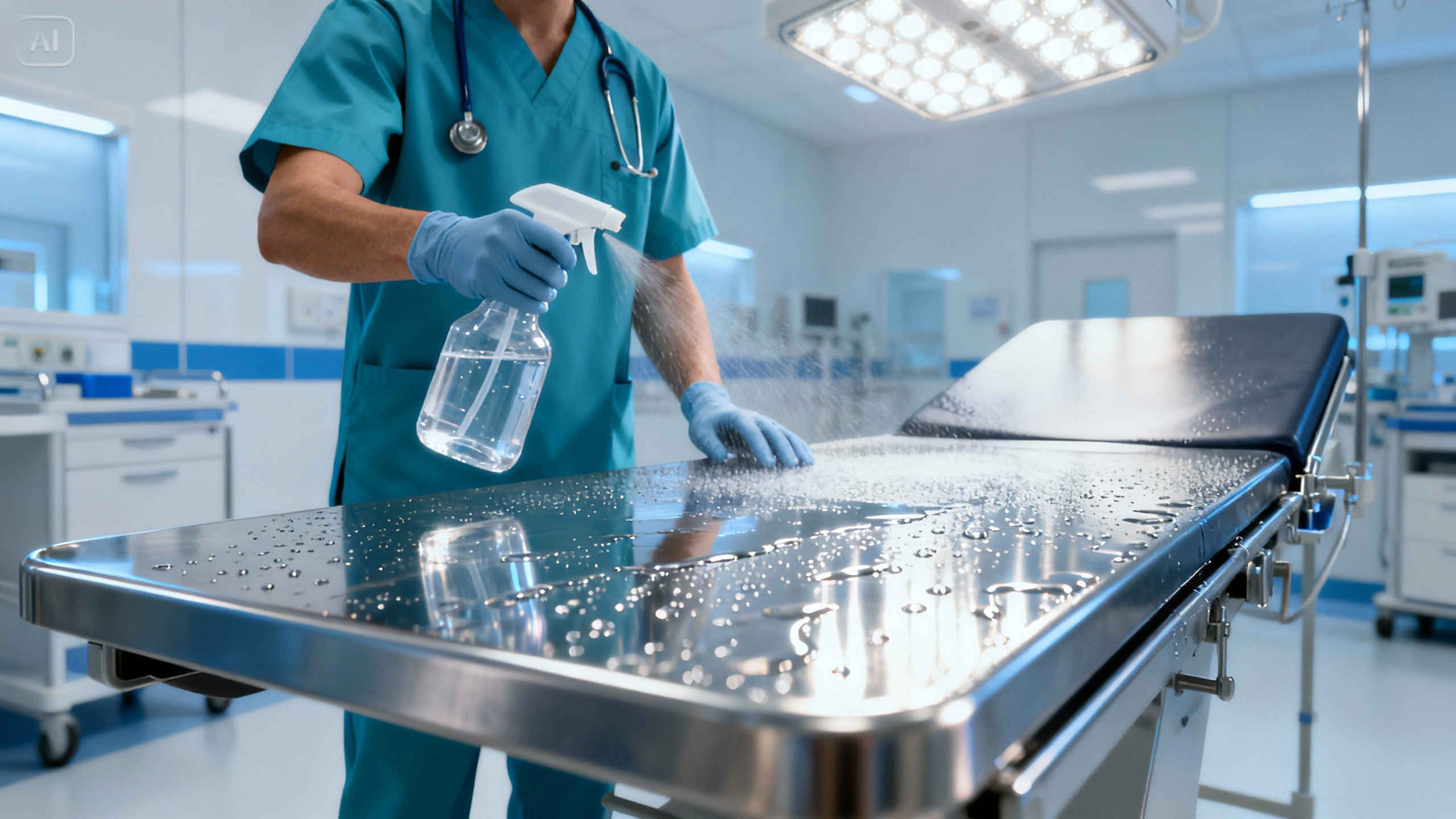
A disinfectant's contact time, or dwell time, is the amount of time a surface must remain visibly wet for the product to work. If a disinfectant dries too quickly—or is wiped off prematurely—it may not eliminate pathogens completely.
In fast-paced outpatient healthcare environments, rushed disinfecting can become a hidden problem. Ensuring proper dwell time helps:
- Reduce cross-contamination
- Prevent infection outbreaks
- Ensure compliance
- Protect vulnerable patients
Meeting Healthcare Regulations
Healthcare facilities in Toronto must follow guidelines from:
- Public Health Ontario
- IPAC
- Health Canada
- CSA
Using the correct disinfectants—and applying them properly—is essential for passing inspections and maintaining compliance.
Improving Clinic Reputation
A visibly clean space builds trust. When patients see fresh wipes, disinfectant bottles, or wet surfaces being sanitized properly, it signals professionalism and care.
Maximizing the Lifespan of Medical Equipment
Some disinfectants can damage surfaces or equipment when used incorrectly. Selecting compatible products helps protect exam tables, diagnostic tools, physiotherapy equipment, and more.
Key Benefits of Choosing Daily Cleaning Services for Disinfectant Selection and Contact Times in Healthcare Environments
1. Expertise in Healthcare-Approved Disinfectants
Our team selects disinfectants that are:
- Hospital-grade
- Health Canada DIN-approved
- Broad-spectrum
- Safe for medical equipment
We match products to pathogen risks and clinic needs.
2. Proper Contact Time Management
We train cleaning staff to apply disinfectants correctly and maintain full dwell time to ensure complete pathogen elimination.
3. Specialty Cleaning for High-Risk Zones
We focus on high-touch healthcare surfaces including:
- Exam tables
- Treatment chairs
- Blood pressure cuffs
- Diagnostic tools
- Light switches and call buttons
- Reception surfaces
4. Compliance With Healthcare Standards
We follow IPAC and Public Health Ontario guidelines, using proper PPE, sequencing, labeling, and cleaning documentation.
5. Eco-Friendly & Low-Odour Options
We provide non-corrosive, low-scent, and environmentally friendly disinfectant options suitable for pediatric or sensitive care environments.
6. Reliable & Consistent Service
Supervisors monitor compliance and ensure disinfectants are always used correctly.
For more on building strong hygiene practices, see Building a Culture of Cleanliness in Your Facility (https://www.dailycleaningservices.ca/blog/building-a-culture-of-cleanliness-in-your-facility-and-workplace).
Understanding the Process: What to Expect from a Professional Disinfectant Selection and Contact Time Service
Initial Facility Assessment
We review traffic flow, patient risks, high-touch zones, and equipment sensitivity to customize your cleaning plan.
Selecting the Right Disinfectants
We choose products based on pathogen risks, surface compatibility, safety, regulatory requirements, and expected contact times.
Surface Cleaning Before Disinfecting
All surfaces are cleaned with detergent first to ensure disinfectants perform effectively.
Applying Disinfectants With Correct Contact Times
We ensure surfaces stay wet for the full disinfectant dwell time—from 1 to 10 minutes depending on the product.
Equipment & High-Touch Care
We sanitize medical tools, diagnostic devices, seating, and waiting areas with appropriate disinfectants.
PPE Use and Safety Protocols
Our team follows proper glove changes, masks, gowns, and safe product handling procedures.
Documentation and Logs
We keep detailed cleaning logs to help clinics remain inspection-ready.
Disinfectant Selection and Contact Times: Best Practices for Toronto Healthcare Facilities
1. Choose Disinfectants Suitable for Your Clinic
Ensure they are fast-acting, broad-spectrum, and Health Canada-approved.
2. Train Staff on Dwell Times
Teach teams why early wiping makes disinfectants ineffective.
3. Maintain a Proper Cleaning Flow
Always work from clean areas to high-risk areas.
4. Use the Right Wipes
Some wipes dry too fast; choose those that stay wet long enough.
5. Store Products Properly
Heat or sunlight can reduce effectiveness.
6. Keep a Disinfectant Compatibility Chart
Protect sensitive equipment by following manufacturer guidelines.
7. Display Cleaning Logs
This reassures patients and supports compliance.
Conclusion
Effective disinfecting in healthcare environments requires the right disinfectants and strict attention to contact times. When done correctly, it prevents cross-contamination, protects patients and staff, supports compliance, and strengthens trust.
Ready to elevate your healthcare cleaning protocols?
Contact Daily Cleaning Services