This post explains the critical role of cleaning boundaries and PPE in dialysis and infusion clinics — where infection risks are highest due to direct blood access and frequent patient turnover. It outlines how clear separation between clean and contaminated zones, proper PPE handling, and consistent disinfection prevent cross-contamination and ensure compliance with Public Health Ontario, IPAC Canada, and Ontario Renal Network standards.
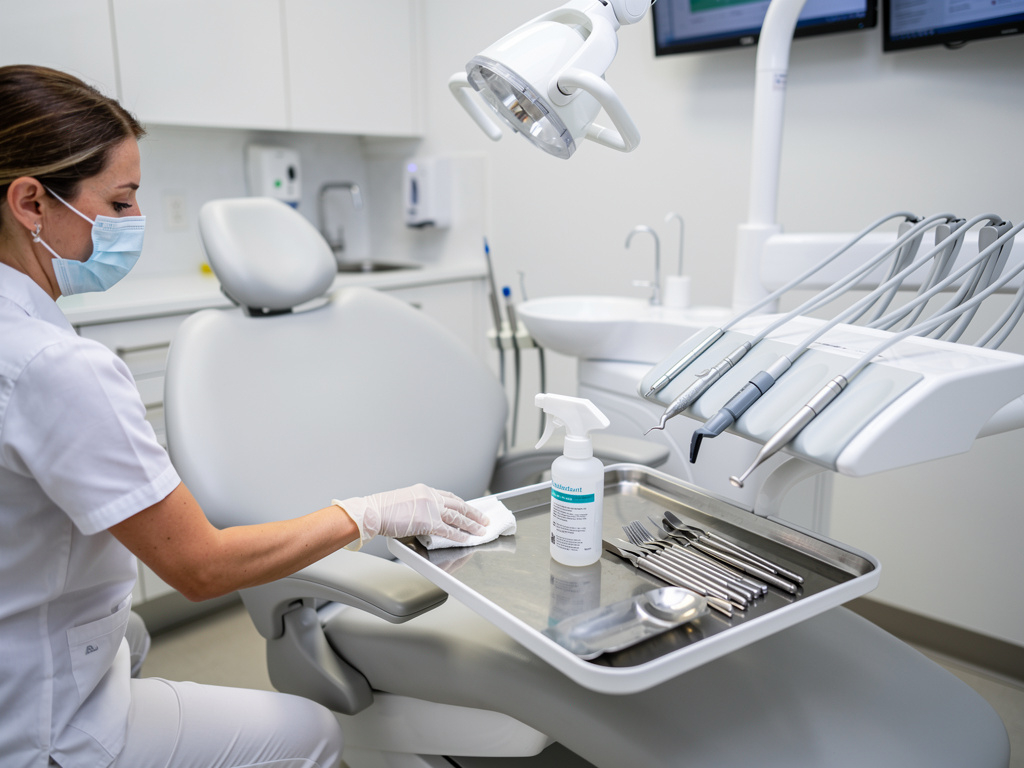
Dialysis clinics and infusion centers deal with some of the highest-risk patients in healthcare. These environments handle direct blood access, frequent treatments, immunocompromised individuals, and constant exposure to bodily fluids. For facilities across Toronto, North York, Scarborough, and Etobicoke, strict cleaning boundaries and proper PPE habits are non-negotiable. Dialysis And Infusion Areas: Cleaning Boundaries And PPE Basics is more than a guideline—it’s a core safety requirement.
Patients in these settings often spend hours in treatment chairs several times per week. This creates heavy use of high-touch equipment and surfaces, increasing the risk of contamination if cleaning isn’t performed correctly. Clear separation between clean and contaminated zones, combined with consistent PPE use, helps prevent cross-contamination and keeps both patients and staff protected.
Partnering with a professional provider like Daily Cleaning Services ensures these sensitive environments receive the attention they require. We deliver commercial cleaning, janitorial services, and specialized healthcare support across the GTA. Clinics looking for deeper infection-control expertise can rely on our dedicated medical facilities cleaning solutions to maintain safe and compliant treatment areas.
This guide breaks down why boundaries and PPE matter, the benefits of working with trained professionals, and what clinics can implement daily to improve safety.
The Importance Of Dialysis And Infusion Areas: Cleaning Boundaries And PPE Basics
Dialysis and infusion treatments involve direct access to the bloodstream. Even a minor cleaning lapse can result in severe infections for medically fragile patients.
Protecting High-Risk Patients
High-touch points such as treatment chairs, IV poles, dialysis machines, cuffs, and monitoring equipment accumulate pathogens quickly. Without proper disinfection, these surfaces become transmission hotspots. Clear physical and procedural boundaries prevent movement of contaminants from one station to another.
PPE Basics Reduce Cross-Contamination
Gloves, gowns, masks, and face shields must be changed between patient areas. Incorrect PPE handling allows pathogens to spread across the treatment floor. Proper donning and doffing are critical to maintaining uncontaminated zones.
Meeting Healthcare Regulatory Standards
Guidelines from Public Health Ontario, IPAC Canada, and the Ontario Renal Network outline mandatory infection-prevention practices for dialysis and infusion clinics. Failing to follow proper cleaning boundaries and PPE rules can result in compliance issues or safety violations.
Strengthening Clinic Reputation
Clean, well-maintained treatment areas build trust with patients and families. Inconsistent hygiene can damage credibility quickly—something reinforced in resources like Building A Culture Of Cleanliness In Your Facility And Workplace.
Protecting Expensive Medical Equipment
Dialysis and infusion machines require careful cleaning. Improper wiping or harsh chemicals can damage sensors, tubing ports, and control panels.
Key Benefits Of Choosing Daily Cleaning Services
Not all cleaning companies are prepared for healthcare environments. Dialysis and infusion facilities require trained teams who understand infection control, risk zones, and specialized disinfection.
1. Healthcare-Trained Cleaning Professionals
Our cleaners follow strict protocols for bloodborne pathogens, PPE use, disinfectant dwell times, and clean-zone procedures.
2. Medical-Grade Disinfectants
We use products approved for healthcare environments—effective against bacteria, viruses, fungi, and bloodborne pathogens.
3. Clear Cleaning Boundaries
We maintain separation between clean zones, contaminated zones, isolation areas, and staff spaces to prevent cross-spread.
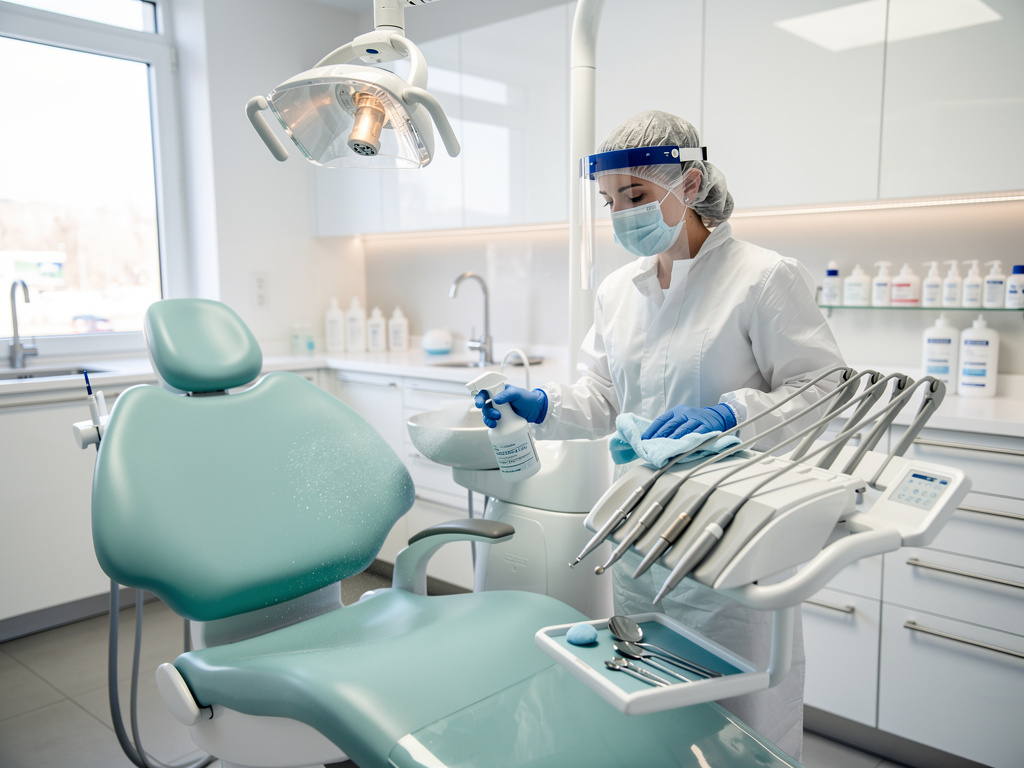
4. Strong PPE Protocols
Fresh gloves per station, proper gowning, mask use, and strict disposal practices.
5. Custom Cleaning Plans
Daily disinfection, between-treatment sanitizing, deep cleaning, isolation protocols, and emergency response plans.
6. Consistent, Reliable Service
Supervised cleaning routines ensure predictable and compliant results.
Understanding The Process: What To Expect From A Professional Cleaning Service
A complete cleaning routine for dialysis and infusion settings includes:
Initial Assessment
We review patient flow, PPE stations, boundaries, equipment layout, and contamination risks.
Treatment Station Disinfection
We clean and disinfect chairs, armrests, IV poles, dialysis machines, trays, call buttons, and all high-touch surfaces.
PPE And Cross-Contamination Controls
Gloves and PPE are changed between each station. Cloths and mops follow a color-coded system to prevent cross-use.
Floor And Surface Disinfection
We use microfiber mops and hospital-grade disinfectants for patient care areas, hallways, and staff zones.
Spill Response
Biohazard spills are isolated, treated with proper disinfectants, and documented for compliance.
Waste Handling
Sharps containers, biohazard bags, and clinical waste are handled safely and according to regulations.
Deep Cleaning
Includes cleaning vents, lighting, equipment bases, upholstery, and other overlooked areas.
Best Practices For Toronto Clinics
Even with professional cleaning, clinics should maintain strong daily hygiene routines:
- Keep clean and contaminated zones clearly defined.
- Ensure staff use PPE properly and consistently.
- Disinfect patient stations after every treatment.
- Replace PPE frequently—never reuse gloves between stations.
- Provide hand sanitizer in patient and staff areas.
- Follow equipment manufacturers’ cleaning instructions.
- Track tasks using cleaning logs for compliance.
For more general cleanliness practices, clinics can use resources like How To Maintain A Clean Workplace to support daily routines.
Conclusion
Dialysis and infusion areas require strict boundaries, proper PPE use, and consistent cleaning to protect patients and staff. These environments carry high infection risks, making thorough disinfection and defined contamination zones essential. With the right partner and strong clinic-led habits, facilities can maintain safe, compliant, and efficient treatment spaces.